Publications
Selected papers and publications
Find work on nanobody discovery, antibody structure, multivalent therapeutics, targeted delivery, and proteomics.
Google ScholarJournal gallery
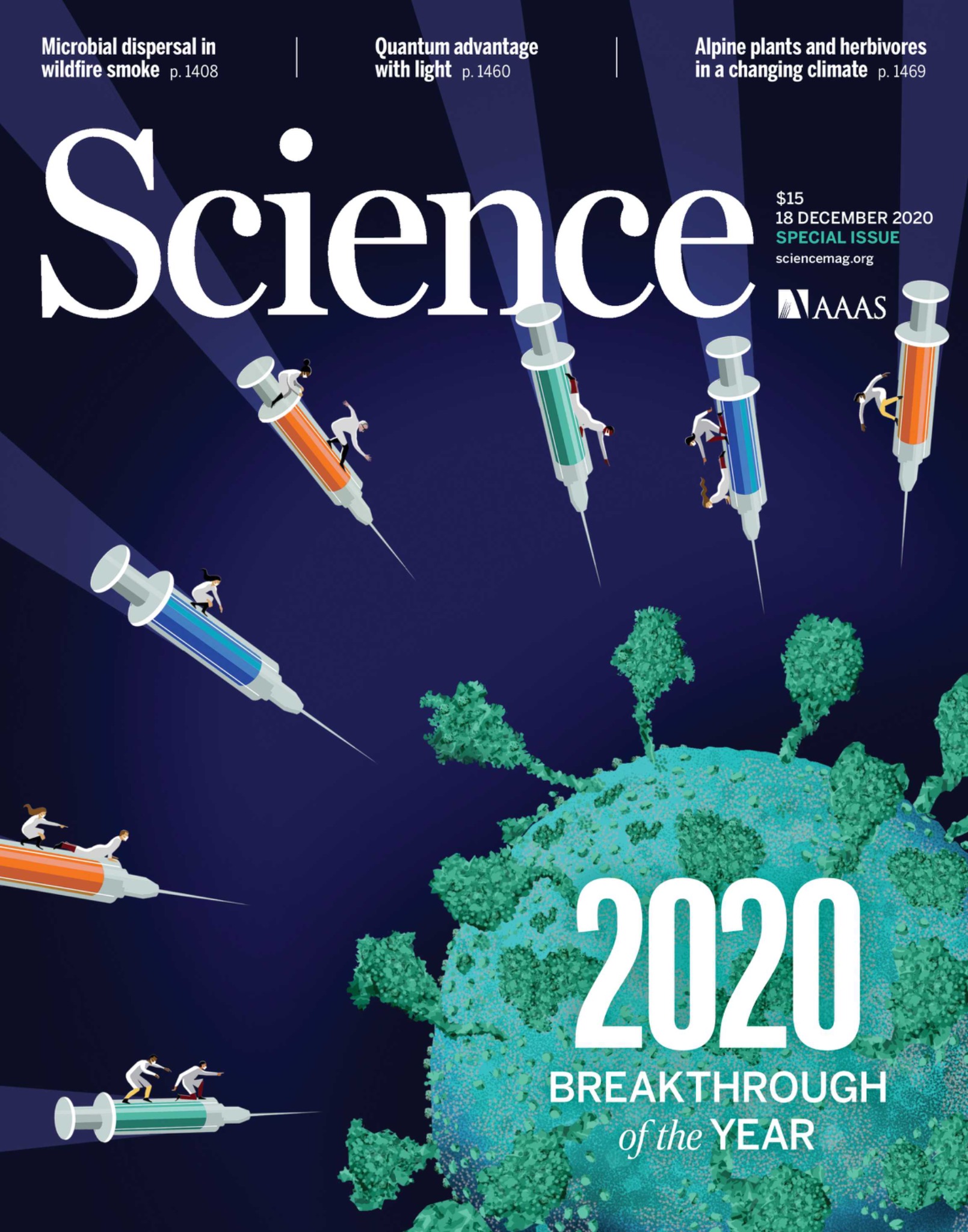
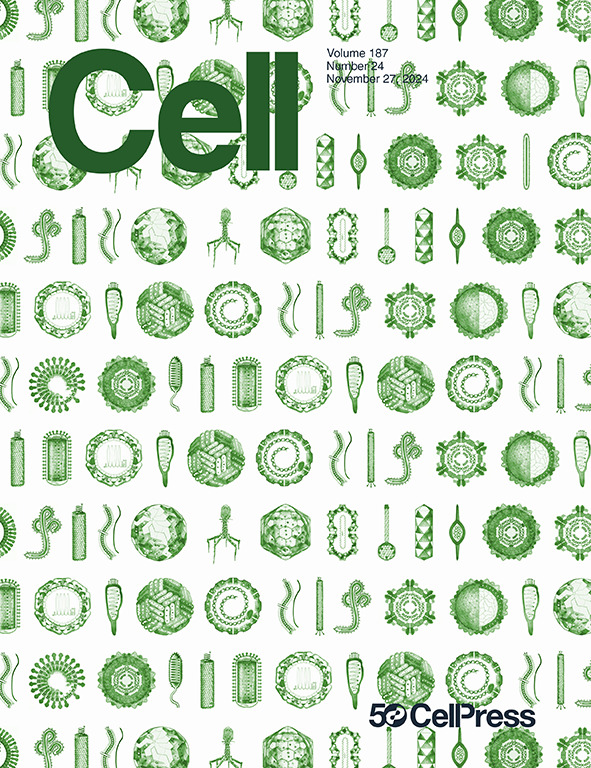
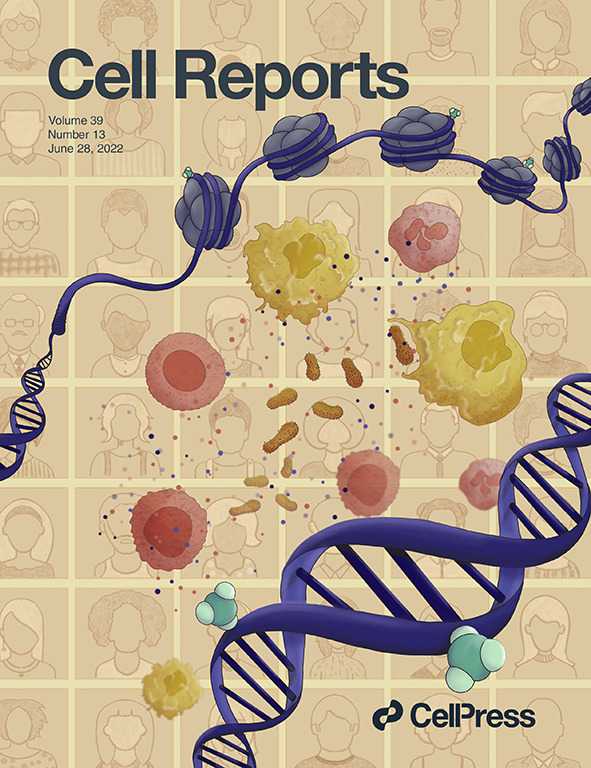
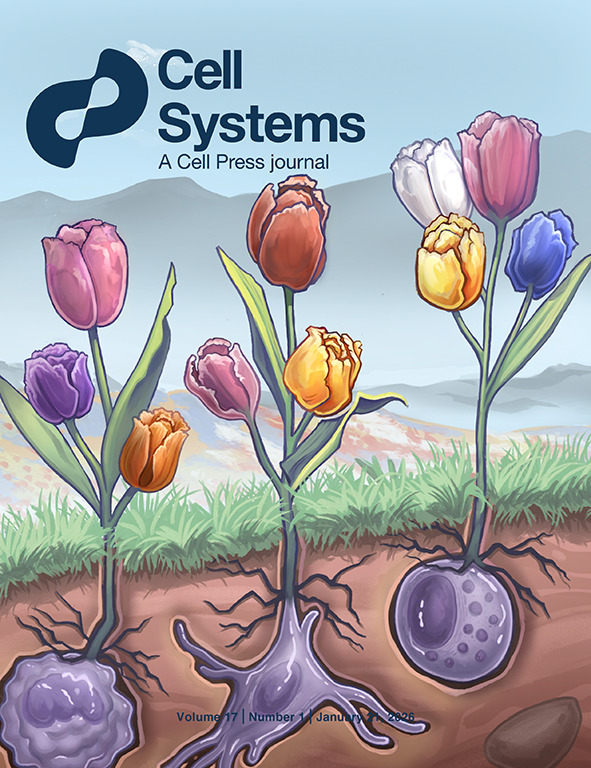
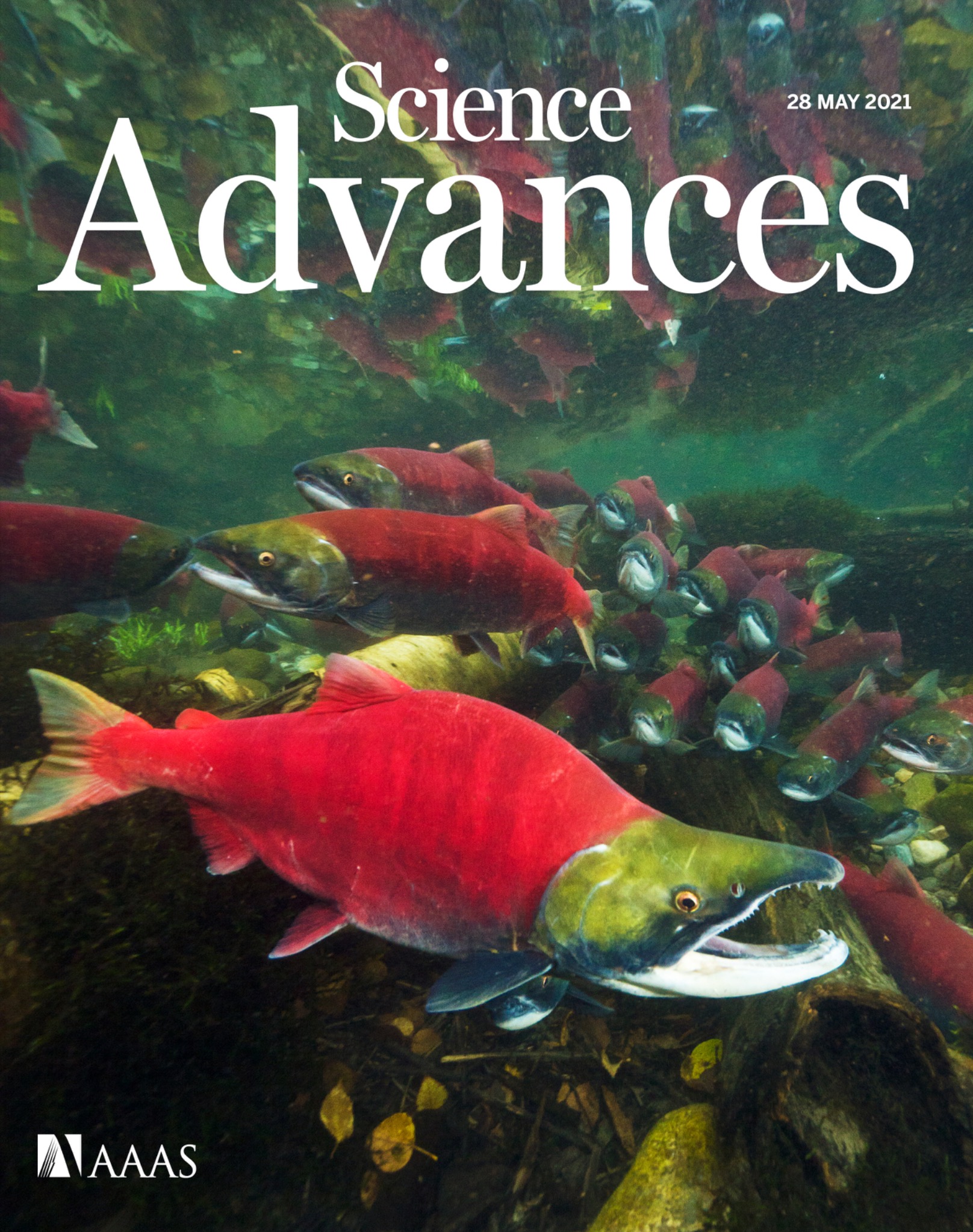
Representative journal issues.
Representative journal issues in which work from our team and collaborators appeared. Cover artwork does not necessarily depict the associated Shi Lab article.

Selected publications
Research highlights
Selected studies from the lab, newest to oldest.
- 01
Kim YJJ, Walton NR, Huang W, Lee M, Xiang Y, Sang Z, Sussman C, Moore SKL, Taylor DJ, Chen K, Hook JL, McCormick JK, Shi Y. (2026). Multivalent nanobodies for potent and broad neutralization of Staphylococcus aureus toxins. Nature Communications 17, 4456. DOI
- 02
Kabir M, Kim YJJ, Deng Z, Xiang Y, Sargunas PR, Song N, Wang Z, Param NJ, Jin C, Sang Z, Yue A, Bundo A, Hossain R, Zhong Y, Lin Y, Xiong Y, Guccione E, Huang KL, Feng M, Jin J, Shi Y. (2026). Multispecific nanobody degraders co-deplete membrane receptors and enable targeted delivery of diverse payloads. Nature Communications (in press). Preprint
- 03
Sang Z, Xiang Y, Huang W, Sargunas PR, Kim YJJ, Feng Z, Taylor DJ, Shi Y. (2026). Repertoire-scale antibody structural prediction informs therapeutic design. Science Advances 12, eaef7163. DOI
- 04
Feng Z, Sang Z, Xiang Y, Escalera A, Weshler A, Schneidman-Duhovny D, García-Sastre A, Shi Y. (2026). One thousand SARS-CoV-2 antibody structures reveal convergent binding and near-universal immune escape. Cell Systems 17, 101452. DOI
- 05
Xiang Y, Xu J, McGovern BL, Ranzenigo A, Huang W, Sang Z, Shen J, Diaz-Tapia R, Pham ND, Teunissen AJP, Rodriguez ML, Benjamin J, Taylor DJ, van Leent MMT, White KM, García-Sastre A, Zhang P, Shi Y. (2024). Adaptive multi-epitope targeting and avidity-enhanced nanobody platform for ultrapotent, durable antiviral therapy. Cell 187, 6966–6980.e23. DOI
- 06
Tubiana J, Xiang Y, Fan L, Wolfson HJ, Chen K, Schneidman-Duhovny D, Shi Y. (2022). Reduced B cell antigenicity of Omicron lowers host serologic response. Cell Reports 41, 111512. DOI
- 07
Sang Z, Xiang Y, Bahar I, Shi Y. (2022). Llamanade: An open-source computational pipeline for robust nanobody humanization. Structure 30, 418–429.e3. DOI
- 08
Sun D, Sang Z, Kim YJ, Xiang Y, Cohen T, Belford AK, Huet A, Conway JF, Sun J, Taylor DJ, Schneidman-Duhovny D, Zhang C, Huang W, Shi Y. (2021). Potent neutralizing nanobodies resist convergent circulating variants of SARS-CoV-2 by targeting diverse and conserved epitopes. Nature Communications 12, 4676. DOI
- 09
Nambulli S, Xiang Y, Tilston-Lunel NL, Rennick LJ, Sang Z, Klimstra WB, Reed DS, Crossland NA, Shi Y, Duprex WP. (2021). Inhalable Nanobody (PiN-21) prevents and treats SARS-CoV-2 infections in Syrian hamsters at ultra-low doses. Science Advances 7(22), eabh0319. DOI
- 10
Xiang Y, Sang Z, Bitton L, Xu J, Liu Y, Schneidman-Duhovny D, Shi Y. (2021). Integrative proteomics identifies thousands of distinct, multi-epitope, and high-affinity nanobodies. Cell Systems 12, 220–234.e9. DOI
- 11
Xiang Y, Nambulli S, Xiao Z, Liu H, Sang Z, Duprex WP, Schneidman-Duhovny D, Zhang C, Shi Y. (2020). Versatile and multivalent nanobodies efficiently neutralize SARS-CoV-2. Science 370(6523), 1479–1484. DOI
Full catalogue
59 publications listed.
Shi Lab papers and collaborative work, listed by publication year.
01 Selected Shi Lab publications11 publications
- 01
Kim YJJ, Walton NR, Huang W, Lee M, Xiang Y, Sang Z, Sussman C, Moore SKL, Taylor DJ, Chen K, Hook JL, McCormick JK, Shi Y. (2026). Multivalent nanobodies for potent and broad neutralization of Staphylococcus aureus toxins. Nature Communications 17, 4456. DOI
- 02
Kabir M, Kim YJJ, Deng Z, Xiang Y, Sargunas PR, Song N, Wang Z, Param NJ, Jin C, Sang Z, Yue A, Bundo A, Hossain R, Zhong Y, Lin Y, Xiong Y, Guccione E, Huang KL, Feng M, Jin J, Shi Y. (2026). Multispecific nanobody degraders co-deplete membrane receptors and enable targeted delivery of diverse payloads. Nature Communications (in press). Preprint
- 03
Sang Z, Xiang Y, Huang W, Sargunas PR, Kim YJJ, Feng Z, Taylor DJ, Shi Y. (2026). Repertoire-scale antibody structural prediction informs therapeutic design. Science Advances 12, eaef7163. DOI
- 04
Feng Z, Sang Z, Xiang Y, Escalera A, Weshler A, Schneidman-Duhovny D, García-Sastre A, Shi Y. (2026). One thousand SARS-CoV-2 antibody structures reveal convergent binding and near-universal immune escape. Cell Systems 17, 101452. DOI
- 05
Xiang Y, Xu J, McGovern BL, Ranzenigo A, Huang W, Sang Z, Shen J, Diaz-Tapia R, Pham ND, Teunissen AJP, Rodriguez ML, Benjamin J, Taylor DJ, van Leent MMT, White KM, García-Sastre A, Zhang P, Shi Y. (2024). Adaptive multi-epitope targeting and avidity-enhanced nanobody platform for ultrapotent, durable antiviral therapy. Cell 187, 6966–6980.e23. DOI
- 06
Tubiana J, Xiang Y, Fan L, Wolfson HJ, Chen K, Schneidman-Duhovny D, Shi Y. (2022). Reduced B cell antigenicity of Omicron lowers host serologic response. Cell Reports 41, 111512. DOI
- 07
Sang Z, Xiang Y, Bahar I, Shi Y. (2022). Llamanade: An open-source computational pipeline for robust nanobody humanization. Structure 30, 418–429.e3. DOI
- 08
Sun D, Sang Z, Kim YJ, Xiang Y, Cohen T, Belford AK, Huet A, Conway JF, Sun J, Taylor DJ, Schneidman-Duhovny D, Zhang C, Huang W, Shi Y. (2021). Potent neutralizing nanobodies resist convergent circulating variants of SARS-CoV-2 by targeting diverse and conserved epitopes. Nature Communications 12, 4676. DOI
- 09
Nambulli S, Xiang Y, Tilston-Lunel NL, Rennick LJ, Sang Z, Klimstra WB, Reed DS, Crossland NA, Shi Y, Duprex WP. (2021). Inhalable Nanobody (PiN-21) prevents and treats SARS-CoV-2 infections in Syrian hamsters at ultra-low doses. Science Advances 7(22), eabh0319. DOI
- 10
Xiang Y, Sang Z, Bitton L, Xu J, Liu Y, Schneidman-Duhovny D, Shi Y. (2021). Integrative proteomics identifies thousands of distinct, multi-epitope, and high-affinity nanobodies. Cell Systems 12, 220–234.e9. DOI
- 11
Xiang Y, Nambulli S, Xiao Z, Liu H, Sang Z, Duprex WP, Schneidman-Duhovny D, Zhang C, Shi Y. (2020). Versatile and multivalent nanobodies efficiently neutralize SARS-CoV-2. Science 370(6523), 1479–1484. DOI
02 Other publications48 publications
- 12
Wu R, Khamrui S, Dodatko T, Xiang Y, Golestanian A, Pham ND, Kumar K, Shi Y, Osman R, DeVita RJ, Houten SM, Lazarus MB. (2026). Structural and biochemical insight into allosteric regulation of the human 2-aminoadipic semialdehyde synthase. Science Advances 12(46), eaej2268. DOI
- 13
Kurowski A, Zhu B, Sun Y, Sargunas P, Jain N, Chan A, Hadri L, Shi Y, Walsh MJ, Ma S. (2026). Uhrf1 loss disrupts CTCF-associated chromatin organization during early mouse embryogenesis. Nature Communications 17, 11651. DOI
- 14
Taylor MS, Chen M, Hancock M, Wranik M, Miller BD, O’Meara TR, Palanski BA, Ficarro SB, Groendyke BJ, Xiang Y, Kondo KT, Linde-Garelli KY, Lee MJ, Mondal D, Freund D, Congreve S, Matas K, Hennink M, Xibinaku K, Valenstein ML, van Eeuwen T, Marto JA, Sali A, Shi Y, Gray NS, Sabatini DM, Chu N, Rogala KB, Cole PA. (2026). Structural basis for the recruitment and selective phosphorylation of Akt by mTORC2. Science 391, eadv7111. DOI
- 15
Sun J, Zhang Z, Yu Y, Cruz N, Zhang S, Xiang Y, Ito K, Lazarus C, Tang Z, Li B, et al. (2026). Molecular mechanisms of the MLL4 complex in H3K4 methylation and p53-dependent transcription activation. Molecular Cell 86, 2281–2293.e7. DOI
- 16
Gelles JD, et al. (2026). A gated hydrophobic funnel within BAX binds bioactive lipids to potentiate pro-apoptotic function. Nature Communications 17, 3180. DOI
- 17
Kabir M, Hu X, Martin TC, Pokushalov D, Kim YJ, Chen Y, Zhong Y, Wu Q, Chipuk JE, Shi Y, et al. (2025). Harnessing the TAF1 acetyltransferase for targeted acetylation of the tumor suppressor p53. Advanced Science 12, e2413377. DOI
- 18
Deng Z, Chen L, Qian C, Liu J, Wu Q, Song X, Xiong Y, Wang Z, Hu X, Inuzuka H, et al. (2025). The first-in-class deubiquitinase-targeting chimera stabilizes and activates cGAS. Angewandte Chemie International Edition 64, e202415168. DOI
- 19
McKennan C, Sang Z, Shi Y. (2025). A novel framework to quantify uncertainty in peptide-tandem mass spectrum matches with application to nanobody peptide identification. Annals of Applied Statistics 19, 614–636. DOI
- 20
Singh D, Soni N, Hutchings J, Echeverria I, Shaikh F, Duquette M, Suslov S, Li Z, van Eeuwen T, Molloy K, et al. (2024). The molecular architecture of the nuclear basket. Cell 187, 5267–5281.e13. DOI
- 21
Wu R, Ingle S, Barnes SA, Dahlin HR, Khamrui S, Xiang Y, Shi Y, Bechhofer DH, Lazarus MB. (2024). Structural insights into RNA cleavage by a novel family of bacterial RNases. Nucleic Acids Research 52, 10705–10716. DOI
- 22
Zhao H, Li J, Xiang Y, Malik S, Vartak SV, Veronezi GMB, Young N, Riney M, Kalchschmidt J, Conte A, et al. (2024). An IDR-dependent mechanism for nuclear receptor control of Mediator interaction with RNA polymerase II. Molecular Cell 84, 2648–2664.e10. DOI
- 23
Kim J, Sang Z, Xiang Y, Shen Z, Shi Y. (2023). Nanobodies: robust miniprotein binders in biomedicine. Advanced Drug Delivery Reviews 195, 114726. DOI
- 24
Ellison MA, Namjilsuren S, Shirra MK, Blacksmith MS, Schusteff RA, Kerr EM, Fang F, Xiang Y, Shi Y, Arndt KM. (2023). Spt6 directly interacts with Cdc73 and is required for Paf1 complex occupancy at active genes in Saccharomyces cerevisiae. Nucleic Acids Research 51(10), 4814–4830. DOI
- 25
Akey CW, Echeverria I, Ouch C, Nudelman I, Shi Y, Wang J, Chait BT, Sali A, Fernandez-Martinez J, Rout MP. (2023). Implications of a multiscale structure of the yeast nuclear pore complex. Molecular Cell 83, 3283–3302.e5. DOI
- 26
Cheng MH, et al. (2022). Impact of new variants on SARS-CoV-2 infectivity and neutralization: a molecular assessment of the alterations in the spike-host protein interactions. iScience 25(3), 103939. DOI
- 27
Shen Z, Sang Z, Shi Y. (2022). Nanobodies as a powerful platform for biomedicine. Trends in Molecular Medicine 28(11), 1006–1007. DOI
- 28
Lu MM, et al. (2022). The magic of linking rings: discovery of a unique photoinduced fluorescent protein crosslink. Journal of the American Chemical Society 144(24), 10809–10816. DOI
- 29
Yang H, Wang Y, Xiang Y, Yadav T, Ouyang J, Phoon L, Zhu X, Shi Y, Zou L, Lan L. (2022). FMRP promotes transcription-coupled homologous recombination via facilitating TET1-mediated m5C RNA modification demethylation. Proceedings of the National Academy of Sciences 119(12), e2116251119. DOI
- 30
Akey CW, Singh D, Ouch C, Echeverria I, Nudelman I, Varberg JM, Yu Z, Fang F, Shi Y, Wang J, Salzberg D, Song K, Xu C, Gumbart JC, Suslov S, Unruh J, Jaspersen SL, Chait BT, Sali A, Fernandez-Martinez J, Ludtke SJ, Villa E, Rout MP. (2022). Comprehensive structure and functional adaptations of the yeast nuclear pore complex. Cell 185(2), 361–378.e25. DOI
- 31
Chen A, Jiang Y, Li Z, Wu L, Santiago U, Zou H, et al. (2021). Chitinase-3-like 1 protein complexes modulate macrophage-mediated immune suppression in glioblastoma. Journal of Clinical Investigation 131(16), 147552. DOI
- 32
Xie Y, Clarke BP, Kim YJ, Ivey AL, Hill PS, Shi Y, et al. (2021). Cryo-EM structure of the yeast TREX complex and coordination with the SR-like protein Gbp2. eLife 10, e65699. DOI
- 33
Zhu X, Wang X, Yan W, Yang H, Xiang Y, Lv F, et al. (2021). Ubiquitination-mediated degradation of TRDMT1 regulates homologous recombination and therapeutic response. NAR Cancer 3(1), zcab010. DOI
- 34
Ganesan SJ, Feyder MJ, Chemmama IE, Fang F, Rout MP, Chait BT, et al. (2020). Integrative structure and function of the yeast exocyst complex. Protein Science 29, 1486–1501. DOI
- 35
Xiang Y, Shen Z, Shi Y. (2020). Chemical cross-linking and mass spectrometric analysis of the endogenous yeast exosome complexes. Methods in Molecular Biology 2062, 383–400. DOI
- 36
Iacobucci C, Piotrowski C, Aebersold R, Amaral BC, Andrews P, Bernfur K, et al. (2019). First community-wide, comparative cross-linking mass spectrometry study. Analytical Chemistry 91(11), 6953–6961. DOI
- 37
Jishage M, Yu X, Shi Y, Ganesan SJ, Chen WY, Sali A, et al. (2018). Architecture of Pol II(G) and molecular mechanism of transcription regulation by Gdown1. Nature Structural & Molecular Biology 25(9), 859–867. DOI
- 38
Teng YQ, Yadav T, Duan MH, Tan J, Xiang YF, Gao BY, et al. (2018). ROS-induced R loops trigger a transcription-coupled but BRCA1/2-independent homologous recombination pathway through CSB. Nature Communications 9, 4115. DOI
- 39
Kim SJ, Fernandez-Martinez J, Nudelman I, Shi Y, Zhang W, Raveh B, Herricks T, Slaughter BD, Hogan JA, Upla P, et al. (2018). Integrative structure and functional anatomy of a nuclear pore complex. Nature 555, 475–482. DOI
- 40
Hunziker M, Barandun J, Petfalski E, Tan D, Delan-Forino C, Molloy KR, et al. (2016). UtpA and UtpB chaperone nascent pre-ribosomal RNA and U3 snoRNA to initiate eukaryotic ribosome assembly. Nature Communications 7, 12090. DOI
- 41
Fernandez-Martinez J, Kim SJ, Shi Y, Upla P, Pellarin R, Gagnon M, Chemmama IE, Wang J, Nudelman I, Zhang W, Ferrer-Valls N, Sauder U, Chait BT, Aitchison JD, Sali A, Rout MP. (2016). Structure and function of the nuclear pore complex cytoplasmic mRNA export platform. Cell 167(5), 1215–1228.e25. DOI
- 42
Chait BT, Cadene M, Olinares PD, Rout MP, Shi Y. (2016). Revealing higher order protein structure using mass spectrometry. Journal of the American Society for Mass Spectrometry 27(6), 952–965. DOI
- 43
LoPiccolo J, Kim SJ, Shi Y, Wu B, Wu HY, Chait BT, et al. (2015). Assembly and molecular architecture of the phosphoinositide 3-kinase p85 alpha homodimer. Journal of Biological Chemistry 290(51), 30390–30405. DOI
- 44
Sun J, Shi Y, Georgescu RE, Yuan Z, Chait BT, Li H, et al. (2015). The architecture of a eukaryotic replisome. Nature Structural & Molecular Biology 22(12), 976–982. DOI
- 45
Morris DH, Yip CK, Shi Y, Chait BT, Wang QJ. (2015). Beclin 1-Vps34 complex architecture: understanding the nuts and bolts of therapeutic targets. Frontiers in Biology 10(5), 398–426. DOI
- 46
Shi Y, Pellarin R, Fridy PC, Fernandez-Martinez J, Thompson MK, Li Y, Wang QJ, Sali A, Rout MP, Chait BT. (2015). A strategy for dissecting the architectures of native macromolecular assemblies. Nature Methods 12(12), 1135–1138. DOI
- 47
Cevher MA, Shi Y, Li D, Chait BT, Malik S, Roeder RG. (2014). Reconstitution of active human core Mediator complex reveals a critical role of the MED14 subunit. Nature Structural & Molecular Biology 21(12), 1028–1034. DOI
- 48
Kim SJ, Fernandez-Martinez J, Sampathkumar P, Martel A, Matsui T, Tsuruta H, et al. (2014). Integrative structure-function mapping of the nucleoporin Nup133 suggests a conserved mechanism for membrane anchoring of the nuclear pore complex. Molecular & Cellular Proteomics 13, 2911–2926. DOI
- 49
Algret R, Fernandez-Martinez J, Shi Y, Kim SJ, Pellarin R, Cimermancic P, et al. (2014). Molecular architecture and function of the SEA complex, a modulator of the TORC1 pathway. Molecular & Cellular Proteomics 13(11), 2855–2870. DOI
- 50
Shi Y, Fernandez-Martinez J, Tjioe E, Pellarin R, Kim SJ, Williams R, et al. (2014). Structural characterization by cross-linking reveals the detailed architecture of a coatomer-related heptameric module from the nuclear pore complex. Molecular & Cellular Proteomics 13(11), 2927–2943. DOI
- 51
Krenciute G, Liu S, Yucer N, Shi Y, Ortiz P, Liu Q, Kim BJ, Odejimi AO, Leng M, Qin J, Wang Y. (2013). Nuclear BAG6-UBL4A-GET4 complex mediates DNA damage signaling and cell death. Journal of Biological Chemistry 288(28), 20547–20557. DOI
- 52
Yucer N, Shi Y, Wang Y. (2012). Protein ubiquitination in IR-induced DNA damage response. In M. Nenoi (ed.), Current Topics in Ionizing Radiation Research. IntechOpen. DOI
- 53
Fan YH, Shi Y, Liu SF, Mao RF, An L, Zhao YL, et al. (2012). Lys48-linked TAK1 polyubiquitination at lysine-72 downregulates TNF alpha-induced NF-kappa B activation via mediating TAK1 degradation. Cellular Signalling 24(7), 1381–1389. DOI
- 54
Malovannaya A, Lanz RB, Jung SY, Bulynko Y, Le NT, Chan DW, et al. (2011). Analysis of the human endogenous coregulator complexome. Cell 145, 787–799. DOI
- 55
Shi Y, Chan DW, Jung SY, Malovannaya A, Wang Y, Qin J. (2011). A data set of human endogenous protein ubiquitination sites. Molecular & Cellular Proteomics 10(5), M110.002089. DOI
- 56
Shi Y, Xu P, Qin J. (2011). Ubiquitinated proteome: ready for global? Molecular & Cellular Proteomics 10(5), R110.006882. DOI
- 57
Fan Y, Yu Y, Shi Y, Sun W, Xie M, Ge N, Mao R, Chang A, Xu G, Schneider MD, Zhang H, Fu S, Qin J, Yang J. (2010). Lysine 63-linked polyubiquitination of TAK1 at lysine 158 is required for tumor necrosis factor alpha- and interleukin-1beta-induced IKK/NF-kappaB and JNK/AP-1 activation. Journal of Biological Chemistry 285(8), 5347–5360. DOI
- 58
Xu G, Tan X, Wang H, Sun W, Shi Y, Burlingame S, et al. (2010). Ubiquitin-specific peptidase 21 inhibits tumor necrosis factor alpha-induced nuclear factor kappaB activation via binding to and deubiquitinating receptor-interacting protein 1. Journal of Biological Chemistry 285(2), 969–978. DOI
- 59
Sun WJ, Tan XJ, Shi Y, Xu GF, Mao RF, Gu X, et al. (2010). USP11 negatively regulates TNF alpha-induced NF-kappa B activation by targeting on I kappa B alpha. Cellular Signalling 22, 386–394. DOI